


Iron loft chart 2026 · Driver adjustment charts
Iron loft chart 2026
A modern 7-iron has between 27° and 34° of loft. Game-improvement 7-irons are usually 27° to 30°, and players’ irons and blades 32° to 34°. Around 2000, a typical 7-iron was 34° to 37°. Below are the stock lofts for this year’s irons, plus how to read your driver’s adjustable hosel.
By the Express Golf fitting team · Updated October 2026
Standard iron lofts
Iron lofts then and now
Iron lofts have got stronger by about two clubs since 2000. A 7-iron today has roughly the loft a 5-iron had then, which is why the number on the sole tells you less than it used to.
| Club | Typical loft in 2000 | Typical loft in 2026 |
|---|---|---|
| 4-iron | 23° to 27° | 19° to 23° |
| 5-iron | 27° to 30° | 22° to 25° |
| 6-iron | 30° to 34° | 26° to 29° |
| 7-iron | 34° to 37° | 29° to 32° |
| 8-iron | 37° to 40° | 32° to 35° |
| 9-iron | 41° to 43° | 36° to 39° |
| Pitching wedge | 45° to 48° | 40° to 43° |
Typical ranges from Golf Monthly (“What were standard iron lofts in 2000”, March 2026). Individual models vary, as the charts below show.
7-iron lofts compared
7-iron loft by model, strongest first
The 7-iron is the fairest way to compare sets. There are 7° between the strongest and weakest current 7-iron here, which is close to two full clubs.
| Model | 7-iron loft | Type |
|---|---|---|
| Cobra KING | 27° | Distance |
| Ping G740 | 28° | Maximum forgiveness |
| TaylorMade Qi MAX | 28° | Game improvement |
| Mizuno JPX925 Hot Metal | 28° | Game improvement |
| Wilson DYNAPWR | 28° | Game improvement |
| Ping G440 | 29° | Game improvement |
| Ping i540 | 29° | Players distance |
| Titleist T350 | 29° | Game improvement |
| Cobra DS-ADAPT MAX | 29° | Super game improvement |
| Cobra 3DP X | 29° | Players distance |
| Mizuno Pro M-15 | 29° | Players distance |
| Srixon ZXi5+ | 29½° | Players distance |
| Cobra KING MAX | 29½° | Super game improvement |
| Cobra KING TEC | 29½° | Players distance |
| TaylorMade P790 | 30° | Players distance |
| Wilson DYNAPWR Max | 30° | Super game improvement |
| Mizuno JPX925 Forged | 30° | Players distance |
| Titleist T250 | 30½° | Players distance |
| TaylorMade Qi MAX HL | 31° | High launch |
| Srixon ZXi5 | 31° | Players |
| Cobra 3DP Tour | 31° | Players |
| Mizuno JPX925 Hot Metal HL | 31° | High launch |
| Srixon ZXi7 | 32° | Players |
| Titleist T150 | 32° | Players |
| Cobra KING Tour | 32° | Players |
| Mizuno Pro M-13 | 32° | Players |
| Titleist T100 | 33° | Players |
| TaylorMade P770 | 33° | Players distance |
| TaylorMade P7CB | 33° | Players |
| Ping i240 | 33° | Players |
| Ping Blueprint S / T | 33° | Players cavity / blade |
| Callaway Apex CB | 34° | Players |
| Mizuno Pro S-1 / S-3 / S-4 | 34° | Blade / players cavity |
Stock right-handed lofts from each maker’s published spec tables, checked October 2026. TaylorMade, some Cobra and the Wilson figures come from retailer and press spec tables where the maker’s own page could not be checked. Every model links to our product page. Read more on the new Srixon ZXi irons.
Full-set loft charts
Iron lofts by brand: TaylorMade, Titleist and Ping
Stock lofts in degrees, right-handed. AW is the set’s approach or gap wedge (Ping calls it UW). A dash means that club isn’t made for the set.
TaylorMade
| Model | 4 | 5 | 6 | 7 | 8 | 9 | PW | AW |
|---|---|---|---|---|---|---|---|---|
| P790 | 20 | 23 | 26½ | 30 | 34 | 39 | 44 | 49 |
| P770 | 22 | 25½ | 29 | 33 | 37 | 41 | 45 | 50 |
| P7CB | 23 | 26 | 29 | 33 | 37 | 41 | 46 | 51 |
| Qi MAX | 18½ | 21 | 24 | 28 | 32½ | 37 | 42½ | 48 |
| Qi MAX HL | – | 23½ | 27 | 31 | 35½ | 40 | 44½ | 50 |
TaylorMade figures are from retailer and press spec tables.
Titleist
| Model | 4 | 5 | 6 | 7 | 8 | 9 | PW | AW |
|---|---|---|---|---|---|---|---|---|
| T100 | 23 | 26 | 29 | 33 | 37 | 41 | 45 | 49 |
| T150 | 22 | 25 | 28 | 32 | 36 | 40 | 44 | 48 |
| T250 | 22 | 24 | 27 | 30½ | 34½ | 38½ | 43 | 48 |
| T250 Launch Spec | – | 27 | 31 | 35 | 39 | 43 | 47 | 52 |
| T350 | 20 | 23 | 26 | 29 | 33 | 38 | 43 | 48 |
From Titleist’s comparison table. T350 also has a W2 at 53°.
Ping
| Model | 4 | 5 | 6 | 7 | 8 | 9 | PW | AW |
|---|---|---|---|---|---|---|---|---|
| G440 | 19 | 22 | 25½ | 29 | 33 | 37 | 42 | 47 |
| G440 HL | 19 | 22 | 25½ | 29 | 33 | 37 | 42 | 47 |
| G740 | – | 21 | 24½ | 28 | 32 | 36 | 40 | 45 |
| i540 | 19 | 22 | 25½ | 29 | 33 | 37 | 42 | 47 |
| i240 | 22½ | 26 | 29½ | 33 | 37 | 41 | 45 | 50 |
| Blueprint S | 22½ | 26 | 29½ | 33 | 37 | 41 | 45 | – |
| Blueprint T | 22½ | 26 | 29½ | 33 | 37 | 41 | 45 | – |
Ping also offers Power Spec (stronger) and Retro Spec (weaker) lofts on every model.
Full-set loft charts
Iron lofts by brand: Mizuno, Cobra, Wilson and Callaway
Mizuno
| Model | 4 | 5 | 6 | 7 | 8 | 9 | PW | AW |
|---|---|---|---|---|---|---|---|---|
| JPX925 Hot Metal | 19 | 22 | 25 | 28 | 32½ | 37 | 42 | 48 |
| JPX925 Hot Metal Pro | 19 | 22 | 25 | 28 | 32½ | 37 | 42 | 48 |
| JPX925 Hot Metal HL | 22 | 25 | 28 | 31 | 35 | 40 | 45 | 50 |
| JPX925 Forged | 21 | 24 | 27 | 30 | 34 | 38 | 43 | 48 |
| Pro M-15 | 20 | 23 | 26 | 29 | 33 | 38 | 43 | 48 |
| Pro M-13 | 22 | 25 | 28 | 32 | 36 | 40 | 44 | 48 |
| Pro S-1 | 24 | 27 | 30 | 34 | 38 | 42 | 46 | – |
| Pro S-3 | 24 | 27 | 30 | 34 | 38 | 42 | 46 | – |
| Pro S-4 | 24 | 27 | 30 | 34 | 38 | 42 | 46 | – |
Mizuno calls the AW a GW.
Cobra
| Model | 4 | 5 | 6 | 7 | 8 | 9 | PW | AW |
|---|---|---|---|---|---|---|---|---|
| KING | 19 | 21½ | 24½ | 27½ | 32 | 37 | 42½ | 48 |
| KING MAX | 21 | 23½ | 26½ | 29½ | 34 | 39 | 44½ | 50 |
| DS-ADAPT | 19 | 21 | 24 | 27 | 31½ | 36½ | 42 | 48 |
| DS-ADAPT MAX | 21 | 23 | 26 | 29 | 33½ | 38½ | 43½ | 49 |
| KING TEC | 21 | 23 | 26 | 29½ | 34 | 39 | 44 | 49 |
| KING Tour | 22 | 25 | 28 | 32 | 36 | 40 | 44 | 48 |
| 3DP X | 20 | 23 | 26 | 29 | 33 | 38 | 43 | 48 |
| 3DP Tour | 21½ | 24 | 27 | 31 | 35 | 40 | 45 | 50 |
KING TEC and KING Tour figures are from retailer spec tables.
Wilson
| Model | 4 | 5 | 6 | 7 | 8 | 9 | PW | AW |
|---|---|---|---|---|---|---|---|---|
| DYNAPWR | 19 | 22 | 25 | 28 | 32½ | 37½ | 42½ | 48 |
| DYNAPWR Max | – | 24 | 27 | 30 | 34 | 39 | 44 | 49 |
From Today’s Golfer spec tables.
Callaway
| Model | 4 | 5 | 6 | 7 | 8 | 9 | PW | AW |
|---|---|---|---|---|---|---|---|---|
| Apex CB | 23 | 26 | 30 | 34 | 38 | 42 | 46 | – |
Using the charts
What the lofts mean for you
1
Compare by loft, not number
A 7-iron in one set can be a 6-iron in another. Compare 7-iron lofts before you compare distances.
2
Check the gap below your PW
Strong sets have pitching wedges of 40° to 43°. If your next wedge is 52°, there’s a big hole. Most sets now include an AW of 45° to 50°.
3
Stronger isn’t always longer
Stronger lofts only add distance if you launch the ball high enough to carry and stop it. Slower swings can lose height and control.
4
Keep gaps even
Aim for 4° to 5° between irons and 4° to 6° between wedges, so each club has its own distance.
5
Lofts move with use
Irons can bend slightly over time, especially softer forged heads. A loft and lie check is free in our workshop.
Driver adjustment charts
How to read your driver’s hosel settings
Most drivers have an adjustable hosel that changes loft by 1° to 2° either way, and some change lie too. On most systems, adding loft also closes the face a little at address, and taking it off opens the face.
Ping G440 and G430 hosel chart
| Hosel setting | Loft | Lie |
|---|---|---|
| Standard | Stamped loft (9°, 10.5° or 12°) | Standard |
| Small + | +1° | Standard |
| Large + | +1.5° | Standard |
| Small − | −1° | Standard |
| Large − | −1.5° | Standard |
| F | Stamped loft | Flatter, by up to 3° |
Ping states ±1.5° of loft on every G440 and G430 driver; the small and flat settings are as reported by Golf Monthly and Irish Golfer. Always check the chart card that comes with your driver. The G440 MAX and LST have a 29g back weight with draw, neutral and fade positions; the SFT has a 23g weight with draw and draw+ positions.
Hosel systems by brand
| System | Loft | Lie | Settings |
|---|---|---|---|
| Ping Trajectory Tuning 2.0 (G440, G430) | ±1.5° loft | Standard or flat | 8 |
| TaylorMade loft sleeve | Up to 2° stronger or weaker | Standard, or more upright | 12 |
| Titleist SureFit | −0.75° to +1.5°, in 0.75° steps | 0.75° flat to 1.5° upright | 16 |
| Callaway OptiFit | Loft and lie set separately | Neutral or draw | 8 |
| Cobra FutureFit33 | ±2° loft | ±2° lie | 33 |
From each maker’s own guides, with Titleist’s loft and lie range from a retailer guide and Callaway’s lie settings from Golf Monthly, October 2026. Not sure which setting suits you? We’ll set it on TrackMan in a driver fitting.
Questions
Iron loft and driver adjustment questions
What loft is a 7-iron?
Most current 7-irons are 27° to 34°. Game-improvement 7-irons are usually 27° to 30°, and players’ irons and blades 32° to 34°. Around 2000, a typical 7-iron was 34° to 37°.
What loft is a pitching wedge?
Most pitching wedges in 2026 sets are 42° to 46°. Some game-improvement sets go as strong as 40°, while blades are usually 46°.
Why have iron lofts got stronger?
Modern irons have lower centres of gravity and faster faces, so they launch the ball higher. Makers strengthen the lofts to bring the height back down and add distance. The result is that lofts are about two clubs stronger than in 2000.
Do stronger lofts mean I’ll hit the ball further?
Only if you can launch the ball high enough. With a slower swing, a very strong-lofted iron can fly lower and stop less quickly on the green, so a fitting is the best way to check.
How do I adjust the loft on my driver?
Loosen the screw on the sole with the maker’s wrench, turn the sleeve to the setting you want using the chart for your driver, and tighten until it clicks. Most systems give 1° to 2° of loft either way.
Can iron lofts be adjusted?
Yes. Most irons can be bent a little stronger or weaker by a club repairer. At Express Golf a loft and lie check is free, adjustment is £6 a club or £40 a set.
Get your lofts checked
Find the right lofts for your game
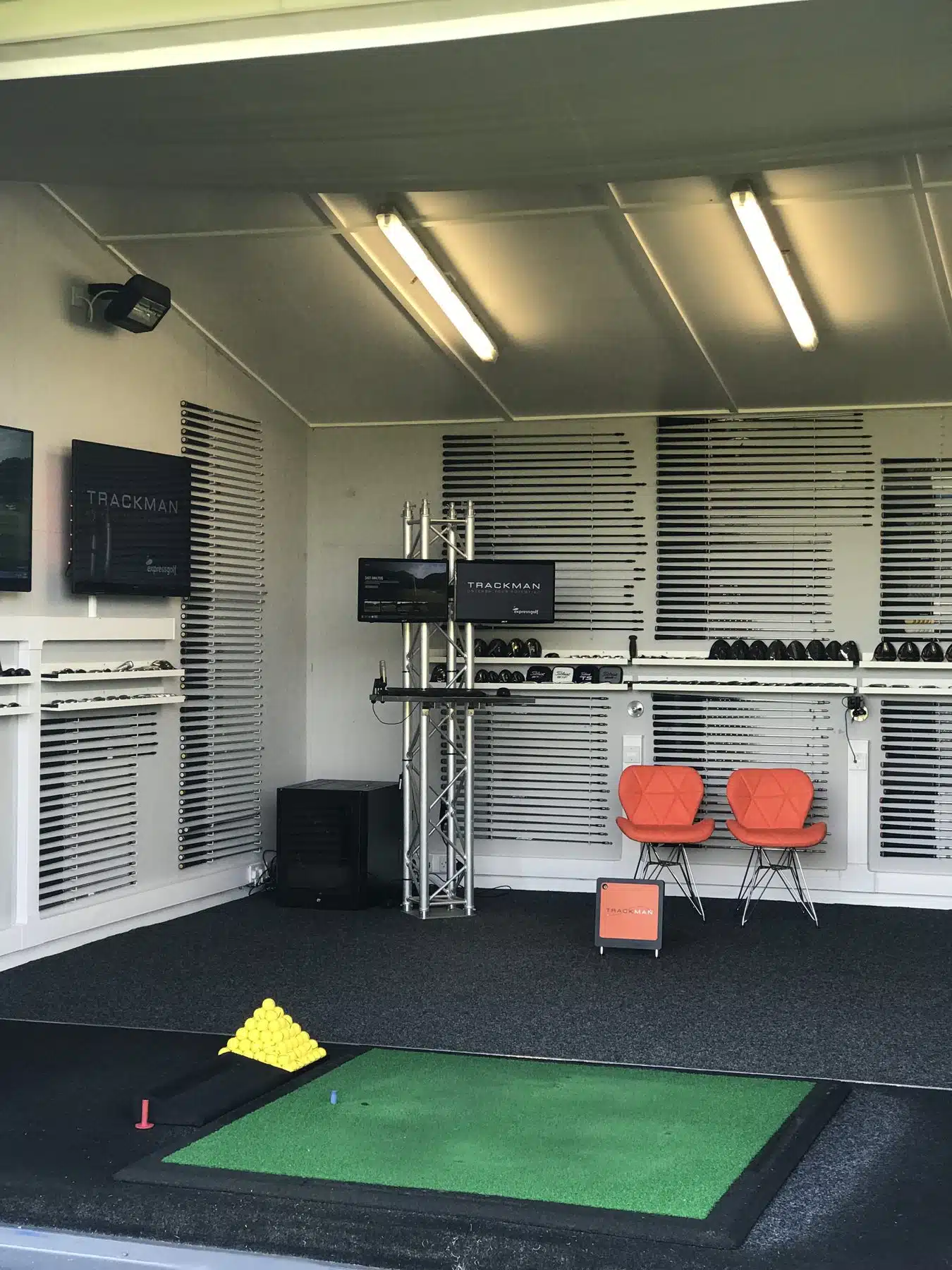
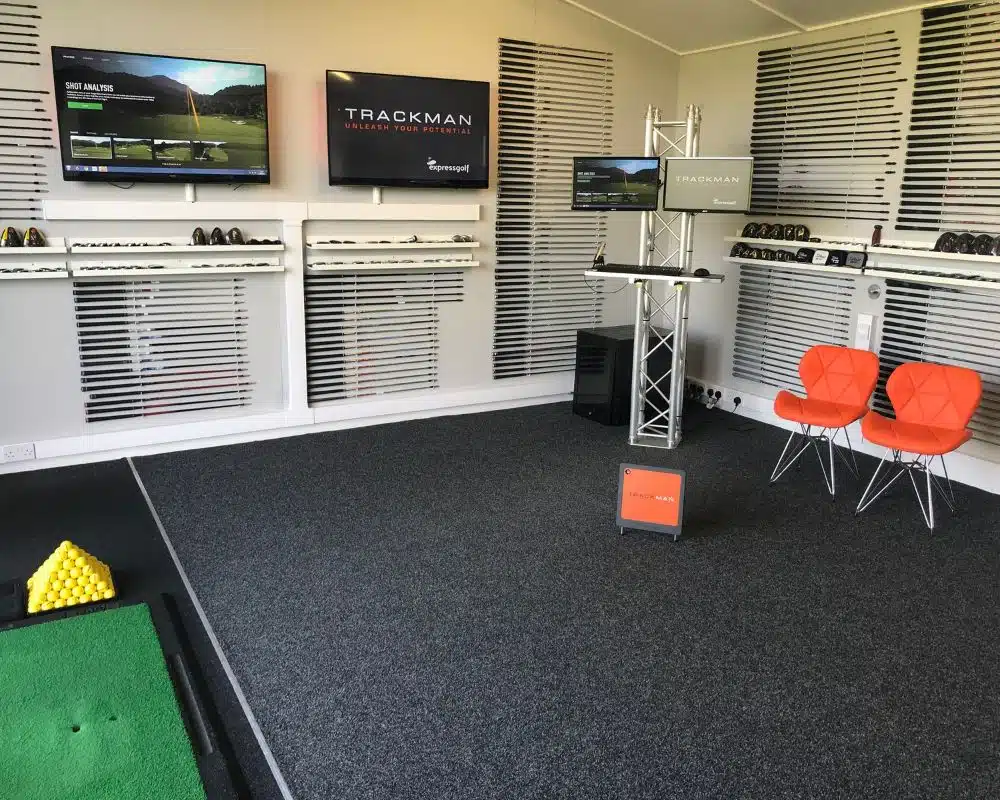
Free loft and lie check in our workshop, or a full iron fitting on TrackMan at The Fairways, Bradford BD9 6BR.
